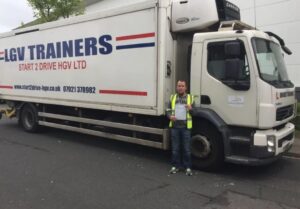
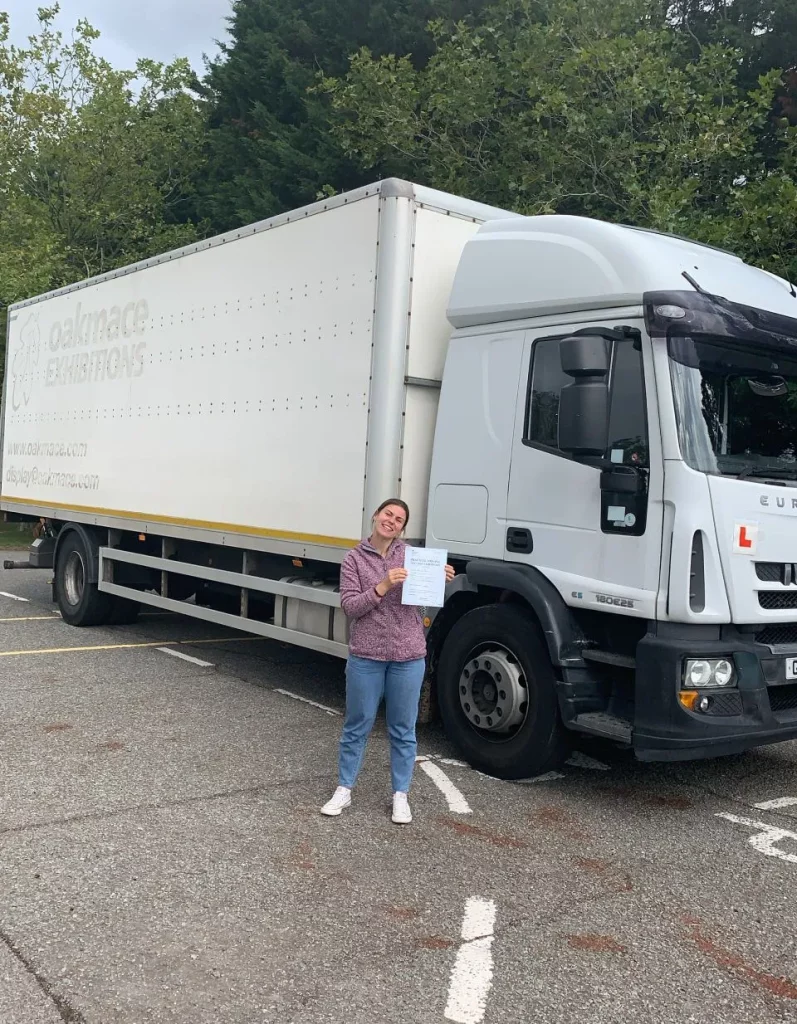
Starting a career as a heavy goods vehicle driver can open opportunities in the transport, logistics, and distribution industries. Commercial vehicles play an important role in moving products between warehouses, businesses, ports, and delivery destinations throughout the United Kingdom. However, operating a large vehicle requires specialised training, practical experience, and an understanding of road safety regulations. Choosing a professional HGV driving school Kent can help aspiring drivers develop the knowledge and skills required to pursue the appropriate driving licence.

Why Professional HGV Training Is Important for New Drivers?
- Structured Training for New Drivers – A professional driving school provides organised instruction designed to help learners progress from basic vehicle familiarisation to more advanced driving skills. Lessons may cover vehicle controls, road positioning, turning techniques, and safe stopping procedures. Structured training allows instructors to identify areas requiring improvement and adapt lessons to the learner’s progress. This approach can be particularly valuable for individuals who have never operated a large commercial vehicle.
- Guidance Through HGV Licence Requirements – Obtaining an HGV licence involves several stages, including medical requirements, provisional entitlement, theory testing, and practical assessments. A driving school can explain the relevant process and help learners understand what must be completed before taking a practical test. Requirements depend on the licence category and whether the driver intends to operate commercially. Clear guidance helps applicants prepare their documents and avoid unnecessary confusion.
- Practical Experience with Large Vehicles – Driving an HGV is different from operating a standard passenger car. Large vehicles require more space for turning, have different braking characteristics, and create additional visibility challenges. Practical lessons allow learners to become familiar with these differences under instructor supervision. Training may include urban roads, roundabouts, dual carriageways, and other suitable driving environments. Repeated practice helps learners develop more consistent vehicle control.
- Preparation for Official Driving Assessments – HGV practical testing evaluates whether a candidate can operate the vehicle safely and competently. Training schools help learners understand the skills assessed during the examination process. These may include vehicle safety checks, road driving, and relevant manoeuvring requirements. Instructors can provide feedback on driving habits and areas requiring further practice. However, completing a training course does not guarantee that a learner will pass the official tests.
- Building Confidence for Professional Driving – New HGV drivers must become comfortable making decisions in changing traffic conditions. Training helps develop observation, anticipation, and defensive driving habits. Confidence should come from demonstrated competence rather than simply spending time behind the wheel. A suitable instructor encourages learners to recognise hazards and respond appropriately. These skills can provide a foundation for further professional development after obtaining a licence.
Choosing a professional HGV driving school Kent can help aspiring commercial drivers develop the skills required to operate heavy goods vehicles safely. From understanding licence categories and preparing for theory assessments to completing practical driving lessons, structured instruction provides a foundation for professional development. Successful training requires patience, regular practice, and a clear understanding of road safety responsibilities. By selecting a suitable programme and focusing on genuine driving competence, learners can prepare for the next stage of their careers in the transport and logistics industry.